

Can Burgmann M3N Mechanical Seal be used in systems with pulsating flow?
Jul 16, 2026
As a supplier of the Burgmann M3N Mechanical Seal, I often encounter inquiries from customers about its suitability for systems with pulsating flow. Pulsating flow is a common phenomenon in many industrial applications, and it can have a significant impact on the performance and longevity of mechanical seals. In this blog post, I will explore whether the Burgmann M3N Mechanical Seal can be used in systems with pulsating flow, considering its design features, performance characteristics, and potential challenges.
Understanding Pulsating Flow
Pulsating flow occurs when the fluid flow rate in a system varies periodically over time. This can be caused by a variety of factors, such as the operation of reciprocating pumps, compressors, or other equipment that generates cyclic pressure changes. Pulsating flow can create additional stresses and forces on mechanical seals, which may affect their sealing performance and durability.
The main challenges associated with pulsating flow include:
- Pressure fluctuations: Rapid changes in pressure can cause the seal faces to separate or experience excessive wear, leading to leakage.
- Vibration and shock: Pulsations can induce vibrations and shocks in the seal assembly, which may damage the seal components or cause misalignment.
- Fluid dynamics: Pulsating flow can alter the fluid dynamics around the seal, affecting the lubrication and cooling of the seal faces.
Design Features of the Burgmann M3N Mechanical Seal
The Burgmann M3N Mechanical Seal is a single, unbalanced mechanical seal designed for use in a wide range of industrial applications. It features a compact design, high performance, and reliable sealing capabilities. Some of the key design features of the Burgmann M3N Mechanical Seal include:
- Seal faces: The seal faces are made of high-quality materials, such as carbon, silicon carbide, or tungsten carbide, which provide excellent wear resistance and sealing performance.
- Spring mechanism: The seal is equipped with a spring mechanism that ensures a constant contact force between the seal faces, even under varying operating conditions.
- O-rings: The seal uses O-rings to provide a secondary seal and prevent leakage around the seal housing.
- Compact design: The compact design of the seal allows for easy installation and maintenance in tight spaces.
Performance Characteristics of the Burgmann M3N Mechanical Seal
The Burgmann M3N Mechanical Seal is designed to provide reliable sealing performance in a variety of operating conditions. It has been tested and proven to meet or exceed industry standards for leakage rates, wear resistance, and durability. Some of the key performance characteristics of the Burgmann M3N Mechanical Seal include:
- Low leakage rate: The seal is designed to minimize leakage, ensuring a high level of process integrity and environmental protection.
- High wear resistance: The seal faces are made of materials that provide excellent wear resistance, ensuring a long service life and reduced maintenance costs.
- Wide temperature range: The seal can operate in a wide temperature range, from -40°C to +200°C, making it suitable for a variety of industrial applications.
- Chemical compatibility: The seal is compatible with a wide range of chemicals, including acids, bases, and solvents, ensuring reliable performance in corrosive environments.
Can the Burgmann M3N Mechanical Seal be Used in Systems with Pulsating Flow?
Based on its design features and performance characteristics, the Burgmann M3N Mechanical Seal can be used in systems with pulsating flow. However, there are some factors that need to be considered to ensure optimal performance and longevity of the seal.
- Seal selection: The selection of the appropriate seal materials and design is crucial for ensuring reliable performance in systems with pulsating flow. The seal faces should be made of materials that provide excellent wear resistance and shock absorption, such as silicon carbide or tungsten carbide. The spring mechanism should be designed to compensate for the pressure fluctuations and maintain a constant contact force between the seal faces.
- System design: The design of the system should be optimized to minimize the effects of pulsating flow on the seal. This may include the use of dampeners, pulsation absorbers, or other devices to reduce the pressure fluctuations and vibrations in the system. The piping layout should also be designed to minimize the length of the piping and the number of bends, which can increase the pressure drop and the likelihood of pulsations.
- Installation and maintenance: Proper installation and maintenance of the seal are essential for ensuring reliable performance in systems with pulsating flow. The seal should be installed according to the manufacturer's instructions, and the installation process should be carefully monitored to ensure that the seal is properly aligned and seated. Regular maintenance, including inspection, cleaning, and replacement of the seal components, should also be performed to ensure the continued performance and longevity of the seal.
Comparison with Other Mechanical Seals
In addition to the Burgmann M3N Mechanical Seal, there are other mechanical seals available in the market that are designed for use in systems with pulsating flow. Two examples of such seals are the FX RO Mechanical Seals and the Burgmann HJ92N Mechanical Seal.
The FX RO Mechanical Seals are designed for use in reverse osmosis systems, which typically operate under high pressure and pulsating flow conditions. These seals feature a unique design that provides excellent sealing performance and resistance to wear and corrosion. The Burgmann HJ92N Mechanical Seal is a single, balanced mechanical seal that is designed for use in a wide range of industrial applications, including systems with pulsating flow. This seal features a compact design, high performance, and reliable sealing capabilities.
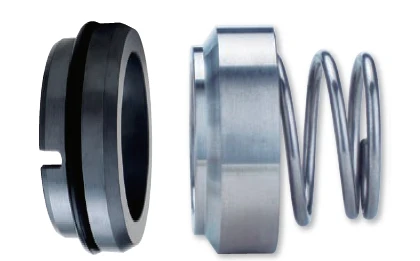
Another option is the Burgmann H74D Mechanical Seal, which is designed for use in high-pressure applications with pulsating flow. This seal features a robust design and advanced materials that provide excellent wear resistance and sealing performance.
Conclusion
In conclusion, the Burgmann M3N Mechanical Seal can be used in systems with pulsating flow, provided that the appropriate seal selection, system design, installation, and maintenance procedures are followed. The seal's design features and performance characteristics make it a reliable choice for a wide range of industrial applications, including those with pulsating flow. However, it is important to consult with a seal expert or the manufacturer to ensure that the seal is properly selected and installed for the specific application.
If you are interested in learning more about the Burgmann M3N Mechanical Seal or other mechanical seals for systems with pulsating flow, please contact us to discuss your specific requirements. Our team of experts can provide you with the information and support you need to make an informed decision and ensure the reliable performance of your system.
References
- Burgmann Product Catalog
- Industry standards and guidelines for mechanical seals
- Technical literature and research on pulsating flow and its effects on mechanical seals